Worsley Urban
How Is a Landowner Paid in a Development Partnership?
Last updated: November 13, 2026
How is a landowner paid in a development partnership? Usually through one of five structures: land contributed as equity at an agreed value, cash on closing plus a participation, a price that steps up when a rezoning is approved, staged payments, or rent under a ground lease. Which one applies matters less than the clauses that decide when, and in what order, money comes back to you.
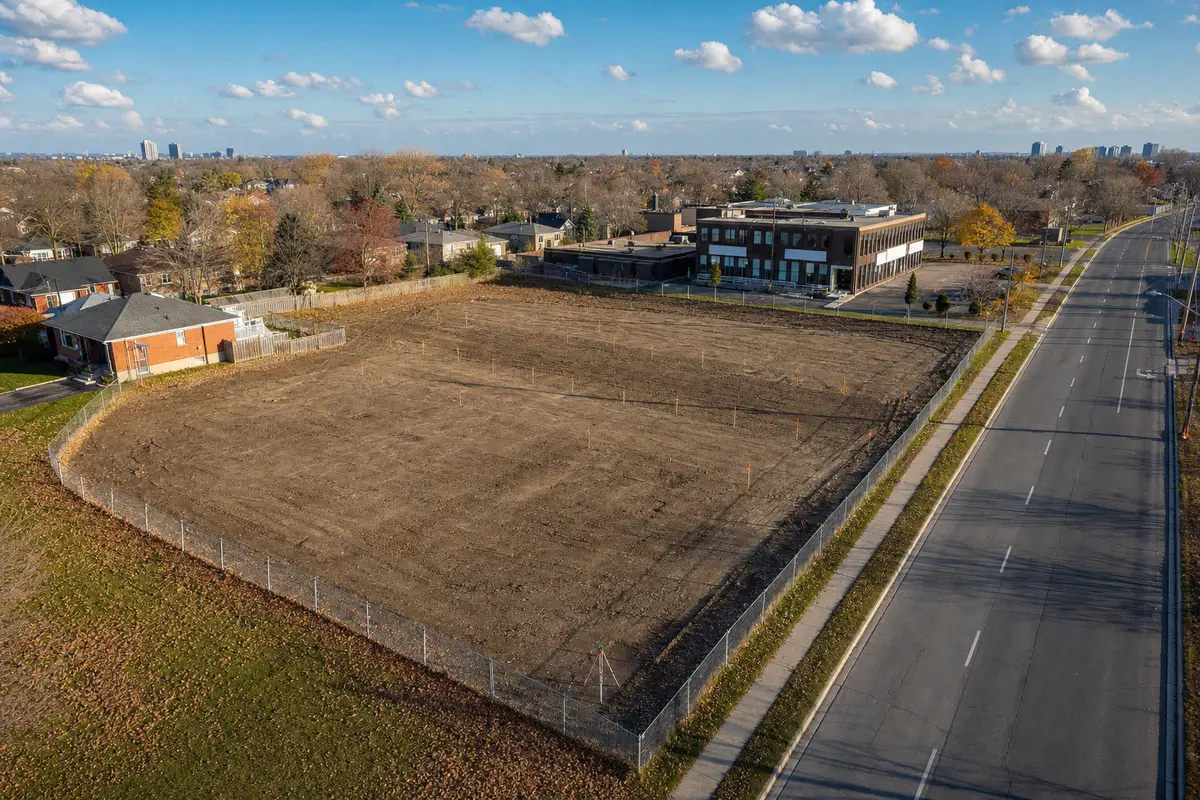
- A landowner in a development partnership is typically paid through one of five structures: land as equity, cash on closing plus a participation, a rezoning step-up price, staged payments, or ground lease rent.
- When land is contributed as equity, its agreed value becomes the owner's capital account, and that number drives every later distribution.
- A typical distribution waterfall returns contributed capital first, then pays a preferred return (the hurdle), then splits remaining profit by an agreed ratio.
- A transfer of land into a Canadian partnership can be made on a tax-deferred basis using a section 97(2) election filed on CRA form T2059.
- Miller Thomson's February 10, 2026 analysis of Canadian real estate joint ventures flags capital calls, dilution, decision rights and exit mechanisms as terms that are often missed.
The Short Answer: How a Landowner Is Paid in a Development Partnership
A landowner in a development partnership is paid either as an investor or as a seller. As an investor, you contribute the land at an agreed value, receive a capital account equal to that value, and are paid from project cash through a distribution waterfall. As a seller, you receive cash at closing, at stages, or at a higher price once the rezoning lands, sometimes with a share of profit on top.
A ground lease sits apart from both. You keep title and collect rent. If you are a landowner in Downsview, Vaughan or Mississauga holding an older industrial or commercial parcel that a developer has approached, this article covers the mechanics only. Whether any structure suits your property is a question for your own lawyer, accountant and financial adviser.
The Full Answer
Landowner payment structures differ in three ways: when cash arrives, how much risk the owner carries, and how much upside the owner keeps. The table sets the five common structures side by side.
| Structure | When cash arrives | Owner's exposure to project risk |
|---|---|---|
| Land as equity (LP or JV) | Through the waterfall, often near or after completion | High: paid only if the project generates cash |
| Payment on closing plus participation | Part at closing, part later from profit | Moderate: base payment fixed, participation variable |
| Rezoning step-up price | Base price, then a top-up if approvals are achieved | Tied to planning outcome, not construction |
| Staged payments | On set dates or milestones | Credit risk on the buyer until fully paid |
| Ground lease | Rent over the lease term | Tenant covenant and lease terms; title retained |
1. Land contributed as equity: your capital account
Land contributed to a limited partnership or joint venture is recorded at an agreed value, and that value becomes the owner's capital account. Every later distribution, from return of capital to profit share, is calculated against that number. Negotiating the land value is therefore the most consequential conversation in the deal.
The agreed value is a contract term, not an appraisal. Parties often use an independent appraisal as a reference, then agree whether the value is set "as is" or reflects work already done toward approvals. On a site like 2699 Keele Street in Downsview, where City Council approved a rezoning in July 2022, the difference between pre-approval and post-approval land is exactly the value that entitlement creates.
Tax matters too. A transfer of land into a Canadian partnership can be made on a tax-deferred basis by filing a section 97(2) election on CRA form T2059. Eligibility, timing and the elected amount depend on facts specific to you, so your accountant decides that, not the developer.
2. Capital contributed vs capital committed
Capital contributed is what a partner has actually put in. Capital committed is what a partner has promised to put in when called. A landowner usually contributes everything on day one, in the form of land, while a capital partner commits cash that is drawn over months or years.
That gap matters. Read whether returns accrue on committed or contributed capital, and whether you, as the landowner, can be asked to fund future capital calls in cash. Many landowners assume the land is their whole contribution. The agreement may say otherwise.
3. Dilution when a partner does not contribute
Dilution clauses reduce the ownership share of a partner who fails to fund a capital call. If cost overruns hit during construction and a landowner cannot or will not add cash, the funding partner's share grows and the landowner's shrinks. Some agreements dilute on a straight ratio; others apply a penalty multiple that dilutes faster.
Miller Thomson's February 10, 2026 analysis of Canadian real estate joint ventures lists capital call and default mechanics among the terms developers and investors often miss. A landowner should model, with an adviser, what their share looks like if they do not fund one call.
4. The distribution waterfall
A distribution waterfall is the order in which project cash is paid out. The common sequence has three tiers. Each tier must be fully paid before the next receives anything.
Partners get back their capital accounts, including the agreed land value, before any profit is shared.
Partners receive an agreed preferred return on their capital before the developer's share of profit begins.
Remaining profit is divided by an agreed ratio, often weighted toward the party doing the work of execution (the "promote").
Ask two questions of any waterfall. Is the hurdle compounding or simple? And does land capital rank equally with cash capital, or behind it? A land contribution that ranks behind cash is paid last, which changes your risk entirely.
5. Seller-side structures: closing plus participation, step-ups and staged payments
Payment on closing plus a participation gives the landowner a fixed sum at closing and a share of later profit or sales proceeds. The fixed portion is certain once closed; the participation depends on the project and on how "profit" is defined, so the definition clause deserves as much attention as the percentage.
A rezoning step-up sets a base price and a higher price if a defined approval is achieved. Define the trigger precisely: a staff recommendation, a Council vote and a final, appeal-free by-law are three different events. At 2699 Keele Street, City of Toronto staff recommended the amendment in June 2022 and Council approved it in July 2022, which shows how one approval can arrive in separate steps. Staged payments spread the price across dates or milestones; ask what security, such as a vendor take-back mortgage, protects the unpaid balance.
6. Ground lease rent, ROFO, disputes and exits
A ground lease pays the landowner rent while the developer builds and operates on the land. The owner keeps title; the key terms are rent resets, the lease length, whether lenders can finance the leasehold, and what happens to the buildings when the lease ends.
In any partnership, three further clauses decide whether you can get your money out. A right of first offer (ROFO) requires a selling partner to offer its interest to the other partners first. Dispute mechanisms, such as escalation and arbitration, determine how a deadlock is resolved. Exit mechanisms, such as buy-sell (shotgun) clauses or a forced sale after a set date, decide how and when the partnership ends. Miller Thomson's February 2026 piece identifies decision rights and exits as areas that are often under-negotiated.
When the Answer Is Different
Landowner payment changes when the site is constrained or contested. A main-street parcel in an established neighbourhood can face a long approvals path. The Roncy at 422 to 436 Roncesvalles Avenue, on the site of a former funeral home, saw its rezoning appealed to the Ontario Municipal Board in 2016 before settlement. A step-up tied to approvals needs a deadline and a plan for appeals.
The answer also changes when the land carries obligations to the public realm. Totem Condominiums at 17 Dundonald Street, beside Wellesley station, was approved with a secondary entrance to the subway. Obligations like that become project costs, and project costs reduce what flows down the waterfall.
Finally, an income-producing property differs from vacant land. A multi-tenant industrial building in Vaughan or a neighbourhood plaza in Markham produces rent today, so the agreement must say who keeps that rent while redevelopment is planned. Ontario and City of Toronto planning rules change, and their effect must be confirmed for a specific site.
Our view
This is opinion, not advice. Landowners tend to overweight the headline profit split and underweight the agreed land value, the ranking of land capital, and the dilution clause. Those three terms usually decide what an owner receives far more than the split does.
The second thing that matters is the partner's ability to execute. A waterfall on paper pays nothing if approvals stall or construction runs over. Look at what a developer has actually carried through planning and completion, on public records you can check, such as City of Toronto application files.
Frequently Asked Questions
Is contributing land to a partnership a taxable sale?
Contributing land to a Canadian partnership can be tax-deferred if the parties file a section 97(2) election on CRA form T2059. Eligibility and the amount elected depend on your circumstances, so confirm it with your own accountant before signing.
Who sets the value of land contributed as equity?
The value of contributed land is agreed by the partners and written into the partnership or joint venture agreement. An independent appraisal is a common reference point, and that agreed value becomes the landowner's capital account.
Can a landowner be diluted in a development partnership?
A landowner can be diluted if the agreement requires cash for future capital calls and the owner does not fund them. Miller Thomson's February 10, 2026 analysis names capital call mechanics as a commonly missed joint venture term.
What does a right of first offer do for a landowner?
A right of first offer requires a partner who wants to sell its interest to offer it to the other partners before a third party. For a landowner, it is a way to avoid ending up partnered with someone unknown, and its timelines should be read closely.
Sources
- Joint venture terms often missed, including capital calls, decision rights and exits - Miller Thomson, February 10, 2026
- Section 97(2) election for transfers of property into a partnership - Canada Revenue Agency, Form T2059
- Project roles and approvals for 2699 Keele Street, The Roncy and Totem Condominiums - Worsley Urban projects
Have a similar question about your own property? Every opportunity begins with a conversation. If you are a landowner evaluating the future of a property, you bring the property; Worsley brings the path to its value. Reach Worsley Urban at worsley.ca/#contact or dlongo@longocorp.com. Rules and markets change, so take your own legal, tax and financial advice for any specific property.
Worsley Urban
Worsley Urban (worsley.ca) is a Toronto real estate investment and development firm at 3657 Lake Shore Boulevard West, Toronto.
Discuss How Your Land Fits a Partnership →