Worsley Urban
Toronto
Can I Keep My Toronto Plaza Open During Redevelopment?
Last updated: November 16, 2026
Can I keep my Toronto plaza open during redevelopment? Usually yes, for most of the process: a plaza can keep trading through the rezoning and site plan stages, and some tenants can stay into a phased build if access, parking and safety separation work. In Downsview, along Keele Street near Highway 401, the question carries extra weight because many plazas sit on large, car-oriented lots close to new subway stations, which is exactly the kind of land that draws redevelopment interest.
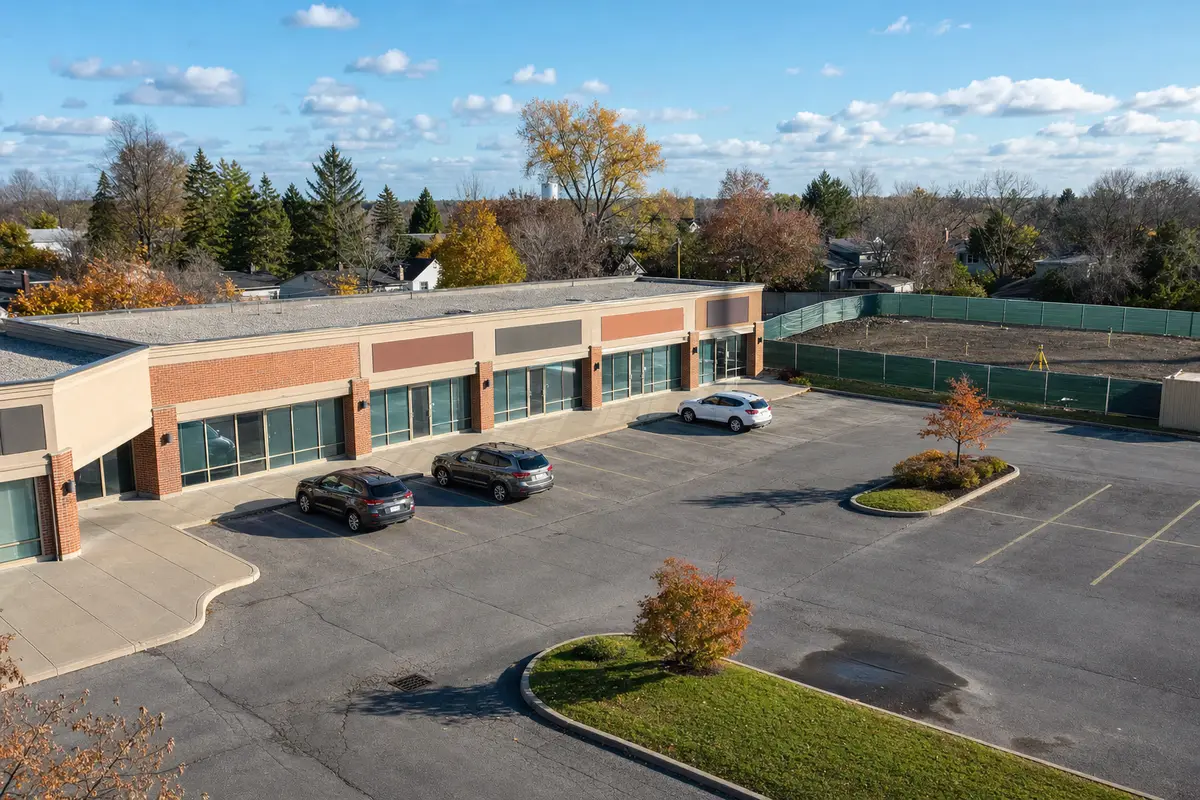
If you own a neighbourhood plaza with a dry cleaner, a pharmacy and a takeout counter paying the bills, and someone has told you the land is worth more than the buildings, this is for you. The real question is not whether to close. It is when each tenant leaves, and what the plaza earns until then.
- A plaza can normally keep operating through rezoning and site plan approval, because the Ontario Planning Act process regulates future use, not current trading.
- At 2699 Keele Street in Downsview, City staff recommended the rezoning in June 2022 and Council approved it in July 2022, showing how the approval stage alone spans many months.
- Demolition and relocation clauses in existing leases decide whether tenants can be moved or ended on notice; leases without them limit the timeline.
- Ontario's construction regulation, O. Reg. 213/91, governs site safety, so any tenant staying beside an active site needs a separated, protected route for customers.
- Mixed-use rebuilds such as Eight Forty at 840 St. Clair Avenue West (116 residential units and 3 retail units) show that retail usually returns at grade once the new building is complete.
Keeping a plaza open during redevelopment: the short version
Keeping a plaza open during redevelopment depends on which stage the project is in. Planning approvals, under the Ontario Planning Act, regulate what may be built later, so they rarely force an operating plaza to close. The pressure arrives at demolition and construction.
That gives owners a long runway. Rezoning, site plan approval, conditions, financing and building permits run in sequence, and the plaza can collect rent through all of them. Many owners underuse that window by letting leases drift instead of managing them toward a planned date.
| Stage | Can the plaza trade? | What the owner should be doing |
|---|---|---|
| Feasibility and strategy | Yes, normally | Audit every lease for term, renewal options and demolition clauses |
| Rezoning (Zoning By-law amendment) | Yes, normally | Write new and renewal leases with relocation and demolition rights |
| Site plan approval and conditions | Yes, normally | Decide on phasing; plan tenant notices and relocation |
| Demolition and shoring | Partly, only if phased | Separate retained units with hoarding and a safe customer route |
| Construction to completion | Retained phase only | Manage access, signage and utilities; prepare new retail leasing |
The honest answer, then, is yes for a long time and partly for a while. A full closure is usually limited to the demolition and building period of whatever part of the site is being rebuilt.
- Keele Street meets Highway 401 at a full interchange, so plazas along this stretch depend heavily on drive-in customers and visible frontage.
- Line 1 of the subway serves the area at Sheppard West and Downsview Park stations, both part of the extension that opened in December 2017.
- Downsview Park, a large federally owned urban park, sits within the area and shapes surrounding land use.
- The approved mixed-use project at 2699 Keele Street replaces a former gas station site beside the 401 (City applications 20 159444 NNY 06 OZ and 21 249733 NNY 06 SA).
What makes Downsview different for plaza redevelopment
Plaza redevelopment in Downsview starts from a particular kind of land. Much of the commercial frontage on Keele Street was built around the car, with deep parking fields, single-storey retail and service stations. Those deep lots are what make phasing possible, because there is often room to build on the parking or a corner while the existing stores keep working.
Transit changes the picture too. The 2017 subway extension put Line 1 stations within reach of corridors that were once purely auto-oriented. Provincial and municipal policy on transit station areas can affect what a site may support, but those rules have changed several times and must be confirmed against the current official source for any specific property.
The 2699 Keele Street project shows the sequence clearly. Worsley carried the site as developer and development manager from acquisition strategy through planning and rezoning. City staff recommended the Zoning By-law amendment in June 2022, Council approved the rezoning in July 2022, and the site plan application has a Notice of Approval Conditions issued. The approved plan is a mixed-use condominium of more than 400 residences over grade-level retail.
Two lessons follow from public facts, not from any private claim. First, the value on that site was created through entitlement and development strategy before construction. Second, the rebuilt site is designed to put retail back at street level. For a plaza owner, both point the same way: the approval years are productive years, and retail is part of the finished building, not erased by it.
The problems older strip plazas run into
Older strip plazas run into a predictable set of problems when an owner tries to stay open through redevelopment. None of them is unusual. Each one is cheaper to solve early than late.
1. Leases written for a plaza that would last forever
Plaza leases signed decades ago often contain long renewal options and no demolition or relocation clause. A tenant with a valid renewal right can hold up a phase. The Ontario Commercial Tenancies Act sets the background rules, but the lease itself usually decides what a landlord may do, so each one needs a lawyer's reading for that property.
2. Parking that the new building needs first
The easiest place to build first is often the parking field. That is also what drive-in tenants depend on. Losing half the spaces can hurt a pharmacy or a grocer more than a construction fence ever would, so parking counts belong in the phasing plan from day one.
3. Shared services under the whole site
Many older plazas run water, sanitary, gas and hydro through a single service entrance that feeds every unit. Cutting into the wrong end of the building can leave the retained stores without power. Temporary services or a re-fed connection usually have to be designed and approved before demolition starts.
4. Former fuel and auto uses
Corridors near highway interchanges often carry gas stations and auto service, and 2699 Keele Street itself replaces a former gas station site. Environmental investigation and any cleanup can shape what is dug first and where hoarding goes. It is a reason to investigate soil early, before phasing promises are made to tenants.
For the family office holding a single plaza as a long-term income asset, these four issues usually decide the answer more than any design choice does.
How phased redevelopment is planned and run
Phased plaza redevelopment works when the operating plan and the building plan are written together. The approach below reflects general practice for keeping income on site while new construction proceeds. Specifics always depend on the site, the leases and the approvals.
List each tenant's term, renewal options and any demolition or relocation rights. This shows which units can be cleared and when.
New and renewal leases signed during approvals should carry clear demolition or relocation provisions, drafted by the owner's lawyer.
Decide which part of the site is built first and which stays open, and test parking, loading and fire access for the retained part.
Hoarding, covered walkways and signed routes keep shoppers away from the site, consistent with Ontario's construction regulation, O. Reg. 213/91.
Retained units get their own water, power and gas connections so a cut on the work side cannot close a store.
Strong existing tenants are often the first prospects for the new grade-level units, which protects the neighbourhood's services across the change.
Tools matter less than discipline, but common ones help. Lease administration platforms such as Yardi Voyager or MRI Software hold renewal and notice dates in one place, so nothing lapses by accident. Construction teams commonly run schedules and site documentation in Procore, which makes it easier to tell tenants exactly when a driveway or entrance will change.
Having approvals and construction under one roof also reduces handoff risk. At The Roncy, 422 to 436 Roncesvalles Avenue, Worsley acted as developer and construction manager, carrying both the approvals and the build. That 8-storey building has 93 residential units with retail at grade on a constrained main-street site in an established low-rise neighbourhood. Tight main-street sites leave little room for error, which is exactly where a single team holding the plan pays off.
Eight Forty, at 840 St. Clair Avenue West, is a useful reference for what the finished product can look like. The 8-storey building has 116 residential units and 3 retail units (City application 22 112796 STE 12 CD), adding scale and street-level commercial to a stretch of the corridor that had neither. Retail returns at grade, in new space.
Our view
This is opinion, plainly labelled. Owners asking whether they can keep a plaza open during redevelopment tend to overweight the construction years and underweight the approval years. The approval period is long, and it is the period in which leases, tenant relationships and site knowledge can be shaped toward a clean start.
What matters most is the lease file. A beautiful phasing drawing means little if one tenant holds a renewal option that runs past the start of construction. Fix the paper first.
We would also say that the community's stores deserve a plan, not an eviction notice. Necessity retail serves established neighbourhoods, and the best redevelopments bring it back in better space. Rules and markets change, so any owner should take their own legal, tax and financial advice for a specific property before committing to a path.
Frequently asked questions
Can a Downsview plaza stay open while it is being rezoned?
A plaza being rezoned can normally keep trading, because a Zoning By-law amendment under the Planning Act governs future use rather than current operations. At 2699 Keele Street, staff recommended the amendment in June 2022 and Council approved it in July 2022, with the site plan stage following after that. The existing use generally continues until the owner chooses to start demolition.
Can I end a tenant's lease to redevelop?
Ending a commercial lease to redevelop depends mainly on whether the lease contains a demolition or relocation clause and what notice it requires. The Ontario Commercial Tenancies Act sets background rules, but the signed lease usually controls. Have a lawyer review every lease for the specific property before giving any notice.
Is it safe to keep stores open next to a construction site?
Stores next to a construction site can stay open only when the public is properly separated from the work zone, as required under Ontario's construction regulation, O. Reg. 213/91. That usually means continuous hoarding, protected walkways, signage and independent services for the retained units. The constructor and its safety team decide what is workable for each phase.
Will there be retail space in the new building?
Retail space in the new building is common in mixed-use redevelopment of plaza sites. Eight Forty at 840 St. Clair Avenue West includes 3 retail units under 116 residences, and the approved 2699 Keele Street plan places grade-level retail on Keele Street. Existing tenants are often natural candidates to lease that new space.
Sources
- Zoning By-law amendments and site plan control - Planning Act, R.S.O. 1990, c. P.13 (Ontario e-Laws)
- Landlord and tenant rules for commercial leases - Commercial Tenancies Act, R.S.O. 1990, c. L.7 (Ontario e-Laws)
- Construction site safety and public protection - O. Reg. 213/91, Construction Projects (Ontario e-Laws)
- Development application records for the projects cited - City Application Information Centre
Every opportunity begins with a conversation. If you are a landowner weighing the future of a plaza, an investor or family office considering a redevelopment opportunity, a lender or institution looking for an experienced sponsor, or a broker with a neighbourhood commercial deal that fits, reach Worsley Urban privately at worsley.ca/#contact or dlongo@longocorp.com. The Longo family has been in real estate since 1921, and the five projects behind that record are at worsley.ca/#projects.
Worsley Urban
Worsley Urban (worsley.ca) is a Toronto real estate investment and development firm at 3657 Lake Shore Boulevard West, Toronto.
Discuss Phasing Your Plaza Redevelopment