Worsley Urban
Toronto
What Have Ontario's Housing Laws Since 2022 Changed for a Toronto Landowner?
Last updated: October 30, 2026
What did Bill 23 and Bill 185 change for landowners in Ontario? Bill 23, which received Royal Assent on November 28, 2022, exempted small residential buildings from site plan control and removed third-party appeals of minor variances and consents, and Bill 185, which received Royal Assent on June 6, 2024, narrowed who can appeal official plan and zoning amendments and stopped municipalities from requiring parking in Protected Major Transit Station Areas. For a landowner in Toronto, the combined effect is fewer parties who can hold up an application and fewer fixed costs baked into a design, though the planning case for a site still has to be made on its merits.
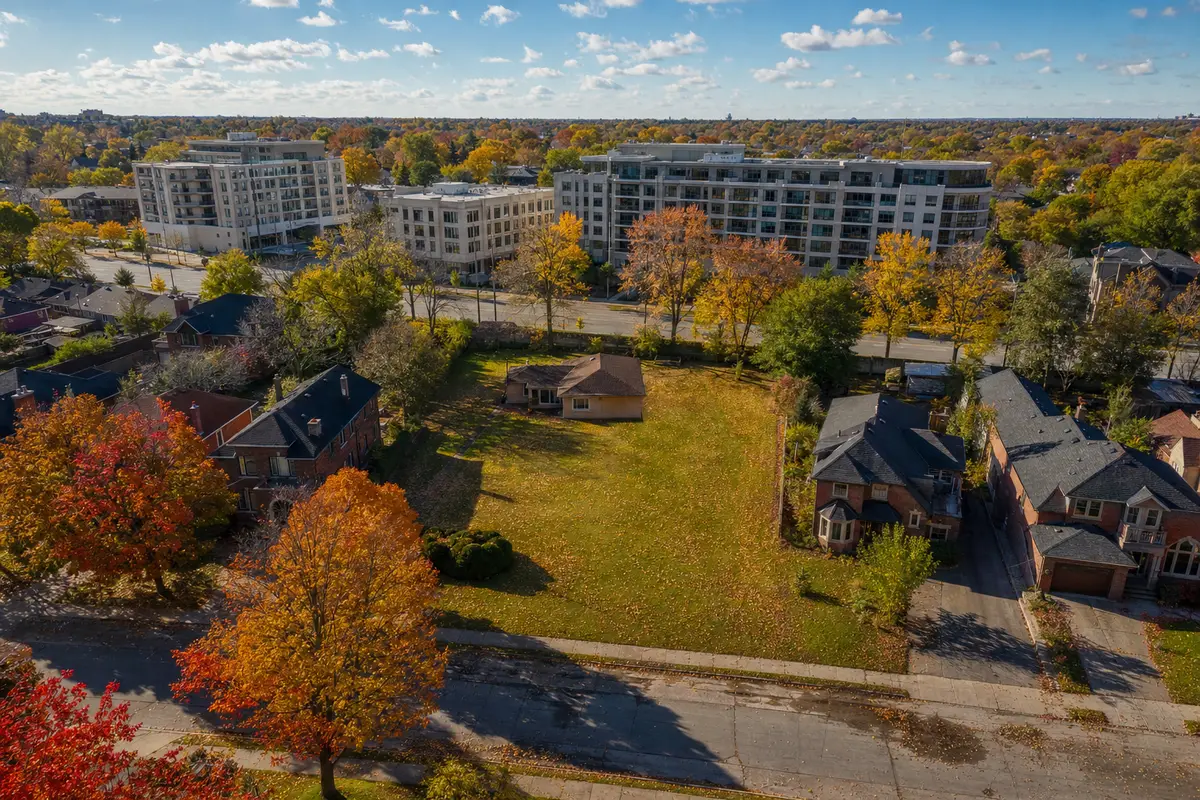
- Bill 23 (More Homes Built Faster Act, 2022, Royal Assent November 28, 2022) exempts buildings with no more than ten residential units from site plan control, according to the Legislative Assembly of Ontario bill record.
- Bill 23 removed third-party appeals of minor variance and consent decisions, so neighbours and ratepayer groups can no longer take those decisions to the Ontario Land Tribunal.
- Bill 185 (Cutting Red Tape to Build More Homes Act, 2024, Royal Assent June 6, 2024) limited appeals of official plan and zoning amendments to the applicant, the municipality, the Minister, specified persons and certain owners who made submissions, as summarized by Aird & Berlis on June 7, 2024.
- Bill 185 prevents municipalities from requiring parking in Protected Major Transit Station Areas, which changes the economics of sites near subway and GO stations.
- Bill 17 (Protect Ontario by Building Faster and Smarter Act, 2025, Royal Assent June 5, 2025) moved non-rental residential development charges to payment at occupancy permit or first occupancy, in effect from November 3, 2025, per Aird & Berlis.
- Bill 60 (Fighting Delays, Building Faster Act, 2025, Royal Assent November 27, 2025) is the most recent bill in the series; its effect on any specific site must be confirmed with the official source and your own advisers.
The Short Answer: What Bill 23 and Bill 185 Changed for Landowners in Ontario
Ontario's housing bills since 2022 mostly changed who can slow a land use application and when certain costs land. Bill 23 took small residential projects out of site plan control and ended third-party appeals of minor variances and consents. Bill 185 shut ratepayer groups out of appeals of official plan and zoning amendments and removed municipal parking requirements in Protected Major Transit Station Areas.
Then Bill 17 in 2025 moved the timing of non-rental residential development charges toward occupancy, and Bill 60 followed in November 2025. None of this approves anything by itself. A landowner still needs a site that supports a credible plan, a planning case the municipality can accept, and a team that can carry the project to completion. Rules change often, so every point here must be confirmed for a specific property, with your own legal, tax and financial advice.
The Full Answer
The four bills read like a long list of amendments to the Planning Act and the Development Charges Act. For an owner, they sort into five practical questions. Each is answered below as a standalone point.
1. Does a small residential project still need site plan approval?
Site plan control for small residential buildings changed with Bill 23. According to the Legislative Assembly of Ontario record for Bill 23 (Royal Assent November 28, 2022), buildings with no more than ten residential units are exempt from site plan control. That removes a full municipal review stage for small infill.
For the owner of a large lot or a corner property in an established neighbourhood, this matters. Zoning, the building code, and any heritage or conservation authority rules still apply. The exemption shortens a path. It does not create permission that the zoning does not already give.
2. Can neighbours still appeal a minor variance or a severance?
Third-party appeals of minor variances and consents were removed by Bill 23. Before the change, a neighbour or a residents' association could take a committee of adjustment decision to the Ontario Land Tribunal and add months to a modest project. After it, that route is closed to third parties.
The committee hearing itself has not gone away. Neighbours can still speak and the committee can still refuse. What changed is the second round. An owner should still prepare a variance application as carefully as before, because a refusal is the owner's own problem to appeal.
3. Who can appeal a rezoning now?
Appeals of official plan and zoning amendments were narrowed by Bill 185. As summarized by Aird & Berlis on June 7, 2024, appeals to the Ontario Land Tribunal are limited to the applicant, the municipality, the Minister, specified persons and certain owners who made submissions. Ratepayer groups lost the right to appeal.
The history of real projects shows why this is significant. The Roncy, at 422 to 436 Roncesvalles Avenue in Roncesvalles Village, was a constrained main-street site on a former funeral home property, and its rezoning was appealed to the Ontario Municipal Board in 2016 before it was settled. Kew, a four-storey infill condominium on Kippendavie Avenue south of Queen Street East in The Beach, was approved through the Ontario Municipal Board. Both were completed. Under the appeal rules as Bill 185 states them, the set of parties able to bring that kind of appeal is smaller.
4. What changed for land near a transit station?
Parking requirements in Protected Major Transit Station Areas were removed by Bill 185: municipalities may not require parking there. Underground parking is one of the most expensive and space-hungry parts of a mid-rise or tower, and on a small site it can decide whether a building works at all.
Totem Condominiums at 17 Dundonald Street, an 18-storey tower on a compact infill site beside Wellesley subway station, shows how much a station-adjacent site can carry; the approved building includes a secondary entrance to Wellesley station. Eight Forty, at 840 St. Clair Avenue West, added 116 residential units and 3 retail units on a transit-served corridor. Whether a given parcel falls inside a Protected Major Transit Station Area is a mapping question that must be checked against the current official plan, not assumed from distance to a stop.
5. When are development charges paid now?
Non-rental residential development charges moved later in the project under Bill 17, the Protect Ontario by Building Faster and Smarter Act, 2025 (Royal Assent June 5, 2025). According to Aird & Berlis, they are payable at occupancy permit or first occupancy, in effect from November 3, 2025. Paying at the end rather than at building permit reduces how much capital sits idle during construction.
Timing is not the same as amount. The charge still has to be paid, and the rates themselves are set by each municipality's by-law. A lender will look at both when it sizes a construction loan, so the change belongs in the pro forma, not just the headline.
6. Where does Bill 60 fit?
Bill 60, the Fighting Delays, Building Faster Act, 2025, received Royal Assent on November 27, 2025, and continues the province's pattern of amending planning and approvals legislation year after year. Some provisions of these bills come into force on proclamation or by regulation, not on Royal Assent. Any owner relying on a specific Bill 60 change should read the provision as the Legislative Assembly of Ontario publishes it and confirm with a planning lawyer that it is in force for that site.
| Bill (Royal Assent) | Change relevant to an owner | What still applies |
|---|---|---|
| Bill 23 (Nov 28, 2022) | Buildings with no more than ten residential units exempt from site plan control | Zoning, building code, heritage and conservation rules |
| Bill 23 (Nov 28, 2022) | Third-party appeals of minor variances and consents removed | Committee of adjustment hearing and decision |
| Bill 185 (June 6, 2024) | Ratepayer groups can no longer appeal official plan and zoning amendments | Public meetings, council vote, appeals by listed parties |
| Bill 185 (June 6, 2024) | No municipal parking requirement in Protected Major Transit Station Areas | Market and lender expectations on parking |
| Bill 17 (June 5, 2025) | Non-rental residential development charges payable at occupancy permit or first occupancy, from Nov 3, 2025 | The charge itself, set by municipal by-law |
| Bill 60 (Nov 27, 2025) | Further approvals changes; confirm each provision and its in-force date | Everything not expressly changed |
When the Answer Is Different
The changes in Bill 23, Bill 185, Bill 17 and Bill 60 apply differently depending on what a landowner holds. Here are the common exceptions.
Commercial and industrial land in Toronto and beyond
Owners of multi-tenant industrial or neighbourhood commercial property should notice that most of these changes target housing. The site plan exemption covers residential buildings of a limited size, and the development charge timing change covers non-rental residential charges. A strip of service retail in Mississauga or an industrial building in Vaughan or Markham may see little direct benefit unless a residential component is part of the plan.
The narrowed appeal rights under Bill 185 apply to official plan and zoning amendments generally. Even so, employment land carries its own provincial and municipal protection policies, and converting it is a separate and demanding question.
Heritage, ravine and floodplain sites
A property on a heritage register, inside a heritage conservation district, or regulated by a conservation authority still faces those reviews. Fewer appeal rights do not remove a heritage permit or a conservation authority permit. Sites like these are where a careful early study saves the most time.
Projects already under appeal or in process
Each bill has transition rules that decide whether a matter already filed follows the old or new process. An application in progress may be treated differently from a fresh one. Only the transition provisions, read with a planning lawyer, answer this.
Owners weighing a sale rather than a build
If you are an owner of underused land deciding between selling now, partnering, or developing, the bills affect each path differently. Fewer appeal routes can make a property more attractive to a buyer, but a buyer will price the remaining approvals work. Entitlement is often where value is created: at 2699 Keele Street, the value was created through entitlement and development strategy before construction. Tax treatment of each path differs, which is why independent tax advice matters before choosing.
Check the municipality's published zoning by-law and official plan maps, including any Protected Major Transit Station Area mapping.
Heritage listings, conservation authority regulation and easements can override the benefit of a provincial change.
Read Bill 23, Bill 185, Bill 17 and Bill 60 as the Legislative Assembly of Ontario publishes them, with a planning lawyer.
Compare holding, selling, partnering and developing, with your own legal, tax and financial advice for the property.
Our view
This is opinion, plainly labelled. Owners tend to overweigh the appeal changes. Fewer appellants is helpful, but a weak planning case still fails at council, and council remains the main gate. The provincial bills since 2022 reward a well-prepared application; they do not rescue a poor one.
What matters more is fit. Kew in The Beach was built at a scale the street could absorb. Eight Forty added scale and street-level commercial to a stretch of St. Clair Avenue West that had neither. A design that suits its street is what moves through approvals, under any version of the Planning Act.
The second thing that matters is continuity. A project that carries approvals and construction under one roof, as The Roncy did, keeps the promises made during planning attached to the people who must build them. That reduces surprises for lenders and for the owner.
Frequently Asked Questions
Did Bill 23 make my land more valuable?
Bill 23's effect on land value depends on the site. The November 28, 2022 changes, such as the site plan exemption for buildings with no more than ten residential units, can shorten a small project's path, but value still turns on zoning, location and market conditions, which change. An independent appraisal and your own financial advice are the only reliable guide for a specific property.
Can a residents' association still oppose a rezoning?
Residents' associations can still oppose a rezoning at public meetings and before council after Bill 185. Since June 6, 2024, however, ratepayer groups can no longer appeal official plan and zoning amendments to the Ontario Land Tribunal, because appeals are limited to the applicant, the municipality, the Minister, specified persons and certain owners who made submissions.
Does no parking requirement mean I should build no parking?
The Bill 185 parking change means a municipality may not require parking in a Protected Major Transit Station Area, not that a project must omit it. Buyers, tenants and lenders still have expectations, so the right amount of parking is a market and financing decision made for each site.
Are these rules likely to change again?
Ontario planning rules have changed through at least four bills between November 2022 and November 2025: Bill 23, Bill 185, Bill 17 and Bill 60. Further change is reasonable to expect, so any plan should be checked against the current legislation and regulations, with legal advice, before an owner commits to it.
Sources
- Bill 23, More Homes Built Faster Act, 2022, Royal Assent November 28, 2022, including the site plan exemption - Legislative Assembly of Ontario
- Bill 185, Cutting Red Tape to Build More Homes Act, 2024, Royal Assent June 6, 2024 - Legislative Assembly of Ontario
- Summary of Bill 185 appeal limits and parking changes, June 7, 2024 - Aird & Berlis LLP
Have a similar question about your own property? Every opportunity begins with a conversation. If you are a landowner evaluating the future of a site, you bring the property; Worsley brings the path to its value, from evaluation and entitlement through partnership or acquisition to completion. Reach out privately at worsley.ca/#contact or dlongo@longocorp.com, and see past work at worsley.ca/#projects. This article is general information, not legal, tax or financial advice.
Worsley Urban
Worsley Urban (worsley.ca) is a Toronto real estate investment and development firm at 3657 Lake Shore Boulevard West, Toronto.
Discuss Your Land Under Ontario's New Planning Rules