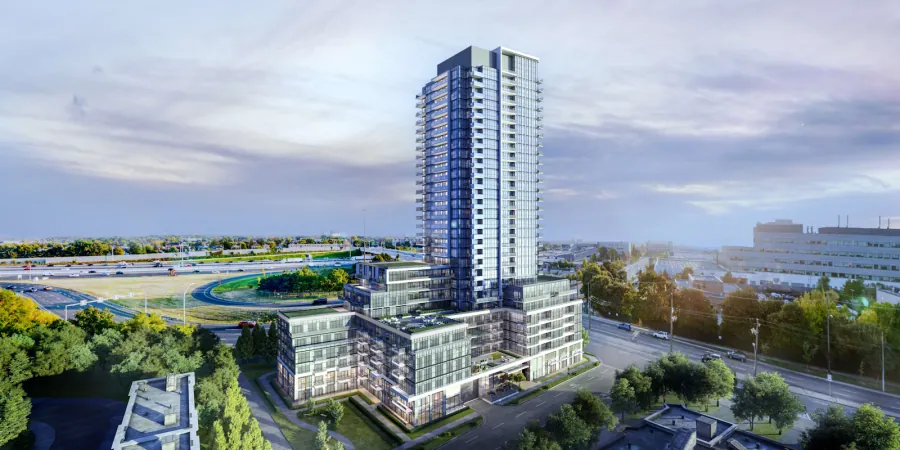
Is your property a development site?
Developers tend to look for some of the following:
- A location on a main street, a transit corridor or close to a subway or GO station.
- Enough lot size and frontage for a building, or the chance to combine with a neighbouring lot.
- Planning designations that support more density than what stands on the site today.
- An underused property: a surface parking lot, a single-storey commercial building or an older industrial building.
Ontario has also widened what is allowed on ordinary residential lots: since 2022, most urban residential lots may have up to three residential units without a rezoning.
Your options
- Sell as is. The quickest route. The price reflects what the site could become, less the risk and time of getting there.
- Sell conditional on approvals. The buyer seeks the approvals before closing. The price can be higher, but closing takes longer and depends on the outcome.
- Partner on the development. You contribute the land and share in the result, instead of taking a single payment.
How developers value land
Most developers value a site from what can be built on it. They estimate the finished building's value, subtract the cost of approvals, construction, development charges, financing and a return for the risk, and what remains is what the land is worth to them. That is why the planning potential of a site, and how long it will take to secure, matters so much to the price.
What to have ready
- The address, and a survey if you have one.
- Any current leases or tenants.
- Any planning, environmental or building reports done before.